Journey Learning
Project-driven, AI-supported learning for elementary education.
Designed to deliver rigorous, engaging learning with visible outcomes, without adding staff or complexity.
1,300+ elementary students served annually through Journey to STEAM programs.
The Challenge Facing Elementary Learning
Elementary education providers are being asked to prepare students for a future shaped by problem-solving, systems thinking, and AI, often without extra staff, time, or instructional support.
Across classrooms, after-school programs, and community organizations, learning quality varies widely, educators are stretched thin, engagement is harder to sustain, and leaders are under pressure to show real outcomes to families, boards, and funders.
Most solutions focus on content or tools, not on how learning actually works across real environments. The result is learning that’s hard to sustain and even harder to prove.

A System Built for Real Learning Environments
Journey Learning is a project-based learning platform for elementary education.
It helps schools, districts, and out-of-school education providers deliver engaging, standards-aligned learning through real-world projects students care about, while supporting educators and facilitators with structure, clarity, and flexibility.
The system adapts across settings, schedules, and staffing models, making high-quality learning easier to deliver consistently. Journey Learning replaces fragmented activities with a coherent system educators can actually run.
What Makes It Different
Journey Learning combines rigor, flexibility, and visibility in one intentionally designed system.

Project-based learning grounded in real-world problems
Alignment to core academic standards and applied reasoning
AI used to support educator planning and student reflection, not replace instruction
Optional hands-on extensions using low-cost, accessible materials
Public, shareable student work that makes learning visible


What Students Create

Each project runs for one term and ends with a highly visible, audience-facing outcome.
-
Final artifact
Students participate in a startup-style pitch event, presenting a fully developed business idea with a clear problem, solution, and pitch deck designed for a live audience.
-
Final artifact
Students present a future city model at a public showcase, explaining how systems like energy, transportation, or food work together and what trade-offs were made.
-
Final artifact
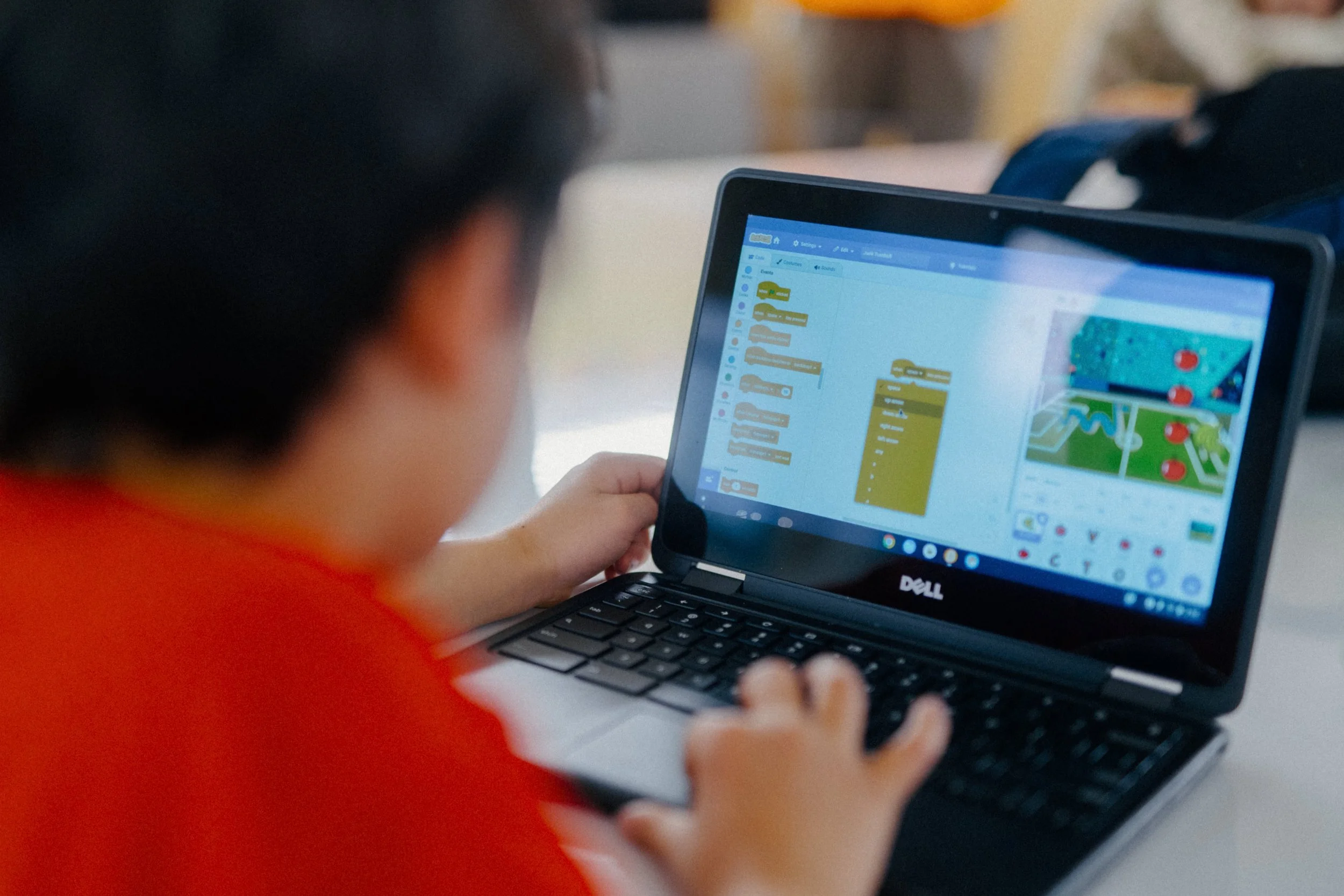
Students publish a working digital app or web-based tool that others can explore, test, and use to address a real school or community need.
-
Final artifact
Students launch a fully playable digital game that peers, families, and community members can actually play, paired with a short creator explanation.
-
Final artifact
Students produce a polished, public-facing publication (such as a cookbook, anthology, or digital collection) that is printed or shared with the broader community.
-
Final artifact
Students present future career profiles during a showcase or gallery walk, explaining how technology and AI may shape real jobs and pathways forward.
These projects represent the initial Journey Learning pilot offerings for 2026. The project library is designed to expand over time through real-world implementation.

How Pilots Work
Journey Learning launches through paid pilots with a limited number of partners. Pilot partners are selected intentionally to ensure quality implementation and meaningful feedback.
Pilots integrate into existing schedules and staffing models. Programs use their current educators or facilitators, while Journey Learning provides curriculum, guidance, and light implementation support.
Each pilot concludes with visible student work and a simple impact summary leaders can confidently share with families, boards, and funders.
95%+ partner renewal rate across Journey to STEAM programs
Who Journey Learning is Designed For
✓ Elementary schools and districts
✓ After-school and enrichment providers
✓ Community-based and nonprofit education organizations
✓ Funders and partners supporting future-ready learning
Want to See This in Your Program?
We’re piloting Journey Learning with a small group of partners in the Pacific Northwest. If you’re interested in piloting, supporting, or staying connected, we’d love to hear from you.